Rupture disks are critical pressure relief safety devices designed to protect equipment, personnel, and processes from dangerous overpressure conditions. Also known as burst disks, burst plugs, or soft plugs, these precision-engineered safety components provide instantaneous pressure relief by rupturing at a predetermined pressure rating. Unlike mechanical relief valves, rupture disks offer leak-tight, contamination-free protection with no moving parts to fail or maintain, making them essential safety components in plastic extrusion, chemical processing, and high-pressure industrial applications.
At Rowe Equipment, we supply premium rupture disks featuring stainless steel bodies and Inconel diaphragms, engineered to rupture instantly at specific pressures across a wide temperature range. Our rupture disks provide ±0.5% accuracy with pressure ratings from 1,000 psi (70 bar) to 10,000 psi (750 bar).
304 / 316 SS
+ Carbon Steel
20-500+
Mesh Counts
Same-day
Shipping Available
30+ Years
In Polymer Filtration
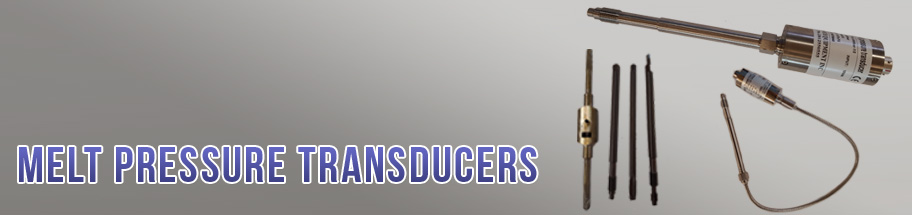
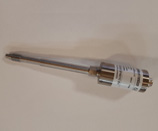
Industrial-grade rigid stem transducers provide robust, reliable pressure measurement for standard melt applications. Featuring 15-5 stainless steel diaphragms and available with 3.3mV/V, 4-20mA, or 0-10VDC outputs.
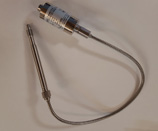
Flex stem transducers isolate sensitive electronics from high process temperatures, extending sensor life and improving reliability. Ideal for plastics machinery where elevated barrel temperatures could damage standard rigid stem sensors.
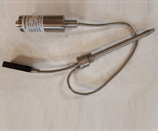
Combination pressure/temperature transducers provide simultaneous melt pressure and temperature measurement at a single mounting location, reducing installation complexity and minimizing process intrusion points.
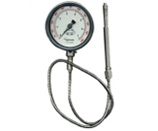
Mechanical melt pressure gauges provide reliable local pressure indication without external power or signal wiring. Featuring 4-inch dial faces and 17-4 stainless steel diaphragms, available in 5,000 and 10,000 PSI ranges.
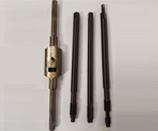
Proper mounting hole preparation is essential for accurate pressure measurement and sensor longevity. Our cleaning tool kits remove residual polymer from 1/2-20 UNF mounting holes and verify hole integrity.
Direct replacement transducers for major manufacturer models including Dynisco, Gefran, Sensotec, and others ensuring seamless integration with your existing instrumentation and control systems.
Key selection factors for optimal pressure relief protection:
Pressure Range:
Match transducer range to your maximum expected operating pressure with appropriate safety margin (typically 250-10,000 PSI)
Process Temperature:
Select rigid stem for moderate temperatures or flex stem for high-temperature applications exceeding 500°F
Output Signal:
Choose 3.3mV/V for compatibility with most indicators, 4-20mA for long cable runs, or 0-10VDC for direct PLC input
Accuracy Requirements:
Consider ±0.25%, ±0.5%, or ±1.0% accuracy grades based on process control precision needs
Material Compatibility:
Verify diaphragm material compatibility with your polymer and any additives, fillers, or corrosive compounds
Mounting Configuration:
Standard 1/2-20 UNF mounting threads with various connector options available
Plastics Extrusion & Processing
Polymer Compounding
Blow Molding
Injection Molding
Film & Sheet Production
Wire & Cable Manufacturing
Chemical Fiber & Spinning
Rubber Processing
Food & Pharmaceutical Extrusion
Pipe & Profile Extrusion
Extruder barrel pressure monitoring
Screen changer inlet/outlet pressure
Melt pump suction and discharge pressure
Die pressure control
Overpressure safety shutdown systems
Closed-loop extrusion control
Co-extrusion layer monitoring
Injection molding nozzle pressure
Blow molding parison control
Gear pump pressure regulation
Rigid stem transducers have a solid connection between the sensing diaphragm and electronics housing, making them suitable for moderate temperature applications. Flex stem transducers use a flexible capillary to separate the sensing element from the electronics, allowing the housing to be positioned away from high-temperature zones. Choose flex stem designs when process temperatures exceed 500°F or when electronics need protection from radiant heat sources.
Most manufacturers recommend annual calibration verification, though frequency depends on application criticality and operating conditions. High-accuracy applications, safety-critical measurements, and processes with aggressive polymers may require more frequent calibration. Rowe Equipment recommends establishing a calibration schedule based on your quality requirements and historical drift data for your specific application.
Common failure causes include overpressure events (pressure spikes can exceed 10x normal operating pressure), thermal shock from rapid temperature changes, diaphragm wear from abrasive fillers or glass-reinforced polymers, corrosion from reactive chemicals, and improper installation creating stress on the sensing element. Using proper mounting hole preparation, appropriate fill materials, and selecting the correct accuracy grade helps maximize sensor life.
3.3mV/V output is the industry standard for melt pressure transducers and is compatible with most dedicated pressure indicators and controllers. 4-20mA output is preferred for long cable runs (over 50 feet) as it’s immune to voltage drop and electrical noise. 0-10VDC output works well for direct PLC analog input connections over short distances. Your choice should match your existing instrumentation infrastructure.
Yes, but diaphragm material selection is critical. Standard 15-5 or 17-4 stainless steel diaphragms work well with most polymers. For highly abrasive materials like glass-filled compounds, consider hardened diaphragm options or sensors with wear-resistant coatings. For corrosive applications involving reactive chemicals, Hastelloy or other specialty alloy diaphragms may be required. Consult with Rowe Equipment to determine the optimal configuration.
Proper installation begins with thorough cleaning of the 1/2-20 UNF mounting hole to remove all residual polymer—our cleaning tool kits are specifically designed for this purpose. Apply appropriate thread sealant or anti-seize compound, and torque the sensor to manufacturer specifications (typically 25-35 ft-lbs). Ensure the diaphragm is flush with or slightly recessed from the flow channel surface. Never over-torque or apply excessive force during installation.
Get optimal transducer configuration recommendations based on pressure range, process temperature, output signal type, and polymer type.
Match competitor part numbers (Dynisco, Gefran, Sensotec) to equivalent Rowe Equipment replacements with specification comparison.
Calculate optimal transducer pressure range based on normal operating pressure with safety margin recommendations for pressure spikes.
Symptom-based troubleshooting for common melt pressure transducer problems including erratic readings, signal drift, and no output.
Convert between mV/V, mA, and VDC signal values for a given pressure reading to verify transducer performance.
Create customized installation checklists and printable work instructions including torque specifications and wiring diagrams.
Verify diaphragm material compatibility with specific polymers, additives, and process chemicals with temperature-adjusted recommendations.
Compare total cost of ownership between transducer options including purchase price, expected service life, and calibration costs.